
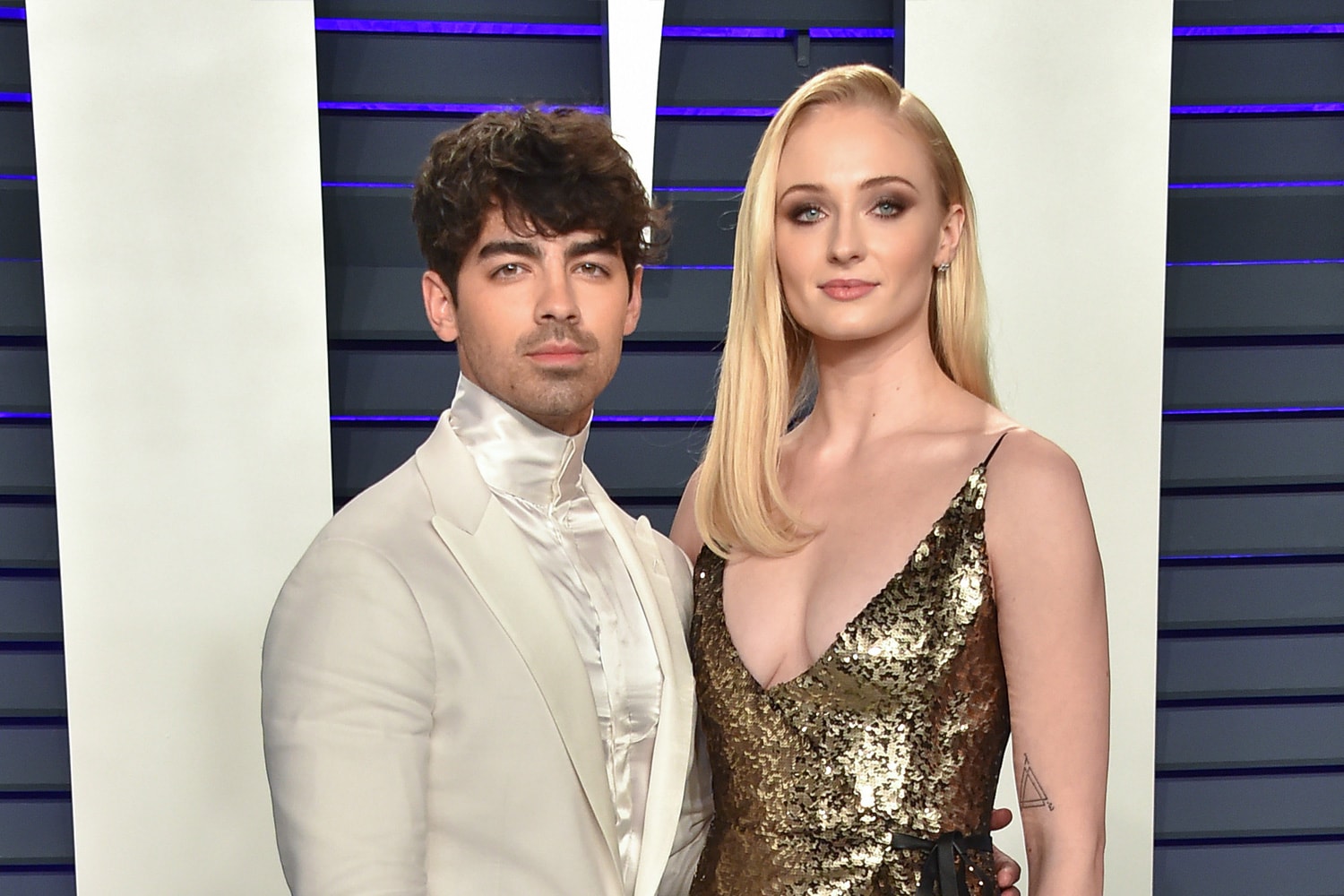
From whirlwind romances to highly publicized breakups, celebrity relationships often play out like modern-day fairy tales—or cautionary tales. But beyond the headlines, there’s something deeper going on: celebrity couples offer a fascinating lens into human behavior, relationship dynamics, and even societal values.
Why Are We So Obsessed with Celebrity Relationships?
Before we dive into the psychology, it’s worth asking—why do we care so much?
- Parasocial Relationships
We form one-sided emotional bonds with celebrities, even though they don’t know us. These parasocial relationships give us the illusion of intimacy. When our favorite stars fall in or out of love, it feels personal. - Mirror Neurons and Empathy
Watching a public couple share affection (or conflict) triggers empathy in us. It’s like living vicariously through them—experiencing the highs and lows of romance without the personal risk. - Relationship Role Models (for Better or Worse)
Celebrities reflect back to us what’s possible—or what to avoid—in love. We observe their behavior, whether consciously or not, and internalize what we think relationships “should” look like.
What Celebrity Couples Reveal About Relationship Psychology
1. Attachment Styles in Action
From Megan Fox & Machine Gun Kelly’s intensity to Kristen Bell & Dax Shepard’s transparency, many celebrity couples showcase different attachment styles.
- Anxious Attachment: Seen in high-drama, rollercoaster couples (hello, Justin Bieber and Selena Gomez). One partner may crave closeness while the other pulls away.
- Avoidant Attachment: Often behind those short, hot romances that burn out fast—intense but never truly intimate.
- Secure Attachment: Couples like John Krasinski & Emily Blunt tend to have healthy communication, boundaries, and mutual support.
Lesson: By observing how celebs navigate connection and conflict, we can reflect on our own attachment behaviors.
2. Power Dynamics and Fame Imbalances
When one partner is significantly more famous or successful, it can create power imbalances.
- Beyoncé & Jay-Z, for instance, had to renegotiate their roles after infidelity and the shifting public eye turned more in Beyoncé’s favor.
- In couples like Pete Davidson & his star-studded lineup of partners, fame disparity often invites scrutiny—and insecurity.
Psych Insight: Power dynamics play a huge role in any relationship, but they’re magnified under the spotlight. Healthy couples continually adjust the balance to support each other’s growth.
3. The Rebound Effect and Serial Dating
Many celebrities are known for quick rebounds. Why?
- The “Rebound Relationship” gives a temporary boost in validation and excitement.
- But research shows that jumping into a new relationship too quickly can prevent emotional processing and healing.
Example: Jennifer Lopez’s romantic history has fascinated fans for years—but her reunion with Ben Affleck decades later (after years of growth) showed how timing really is everything.
Takeaway: The healing phase matters. We don’t need to rush into love to feel lovable.
4. Public Image vs. Private Reality
Some couples appear perfect on the outside—but behind closed doors, things unravel.
- Will Smith and Jada Pinkett Smith’s revelations on Red Table Talk showed how complicated “open” relationships can be, especially when they intersect with public image.
- Chrissy Teigen and John Legend are transparent about therapy and working through personal traumas, reminding us that love isn’t always picture-perfect.
Lesson: Every relationship has a public face and a private reality. Lasting love often depends on how you communicate in private—not how you appear in public.
5. Chemistry vs. Compatibility
Some celebrity couples are chemistry bombs—explosive passion, red carpets, PDA galore. Others show deep compatibility—shared values, mutual respect, and friendship.
- Chemistry: Angelina Jolie & Billy Bob Thornton (chaotic but magnetic).
- Compatibility: Ryan Reynolds & Blake Lively (humor, stability, and support).
Psych Perspective: Chemistry is the spark. Compatibility is the firewood. Without both, relationships may sizzle out.
What the Data Says About Celebrity Love
Interestingly, studies show that celebrity marriages have a much higher divorce rate than the general population. Factors include:
- Intense public scrutiny
- Busy, high-pressure schedules
- Ego and competition
- Constant temptation and attention
But those who do make it work? They typically share traits like:
- Emotional maturity
- Commitment to privacy
- Shared long-term goals
- Supportive communication
Matchmaker Takeaways: What We Can Apply in Real Life
Here are some love lessons anyone can take from celebrity couples:
- Privacy protects intimacy: Keep some moments sacred.
- Authenticity wins: Be real, even if you’re not perfect.
- Timing matters: Don’t rush love. Let things unfold.
- Shared values > shared status: Love rooted in similar life goals lasts longer.
- Growth is non-negotiable: The best relationships evolve as both people do.
Final Thoughts
Whether we’re cheering for the next Bennifer chapter or learning from high-profile heartbreaks, one thing’s clear: celebrity relationships teach us about ourselves. They show us what we crave, fear, avoid, or aspire to in love.
So the next time you see a headline about a surprise proposal, messy breakup, or dreamy wedding, ask yourself:
What does this reveal about love, psychology, and human connection?
You might just find that behind the glitz and glam, the core challenges—and joys—of love are the same for all of us.
Ready to See How Matchmaking can Help You Find Your Match?
Complete a FREE application today!
https://ambiancematchmaking.com/apply/


0 Comments